Fatbirder's Top 1000 Birding Websites
MEGA BIRD NEWS:12th August 2026--Black-winged Kite-Norfolk-Hempstead Marshes-Zitting Cisticola-Suffolk-Walberswick-Long-tailed Shrike-Gloucestershire-Eastleach Martin-Hudsonian Godwit-Suffolk-Manningtree-

Sunday, December 31, 2023

MY BIRDING YEAR 2023

The year started off steadily with some local birding until the 29/01, when a Dartford Warbler was photographed near the rifle range at Burton Marsh. People did go looking for the bird, but there was no further sign of it.

A cracking find by Paul Ralston 

The first week in February, I spent in Fuerteventura and saw some cracking birds during the week. The star bird of the week was the red-billed tropicbird at Atlantico Mall, Caleta, which showed so well, absolutely amazing views.

Red-billed Tropicbird

Other birds of note were:

Cream Coloured Courser

\

                                                                          Houbara Bustard

Egyptian Vulture

Black Bellied Sandgrouse

                                                                                   Trumpeter Finch

On 19/02, I visited Burton Marsh and got great views of a Lesser White-fronted Goose of unknown origin. It's always worth seeing these birds; you never know.

The following day I spent in North Wales and had a great day out birding!


Black Grouse


Surf Scoters


Baikal teal-Foryd bay

Ring-necked duck-Llyn Cefni

South-westerly winds extending across the Bay of Biscay from Iberia and North Africa at the start of the first week in March produced perfect 'funnel' conditions for a large-scale migrant arrival, although even more noticeable still was an extraordinary Alpine Swift influx across Britain and Ireland. 

When glancing at the Birdguides sighting page, it has been impossible to miss the scale of this record-shattering influx, with birds reported from more than 60 locations, including no fewer than 13 sites enjoying multiple birds. Ireland hosted the bulk of reports, with perhaps as many as 50 different birds, including an astonishing nine over Bray, Co Wicklow, on 19th—the biggest flock ever recorded in Ireland. Six at Stanpit Marsh, Dorset, the previous day, meanwhile, is the largest modern-day flock recorded in Britain


Alpine swifts were reported from in excess of 60 sites during the week, and I managed to see one at Conwy RSPB.

What a cracking bird!

It was our turn then on the Wirral on the 22/03 when two Alpine Swifts were seen over Hoylake, but they flew straight through. I visited Burton RSPB on 23/03 and got good views of a Long-billed Dowitcher. These are becoming annual at this site now, but it's always nice to see this American wader
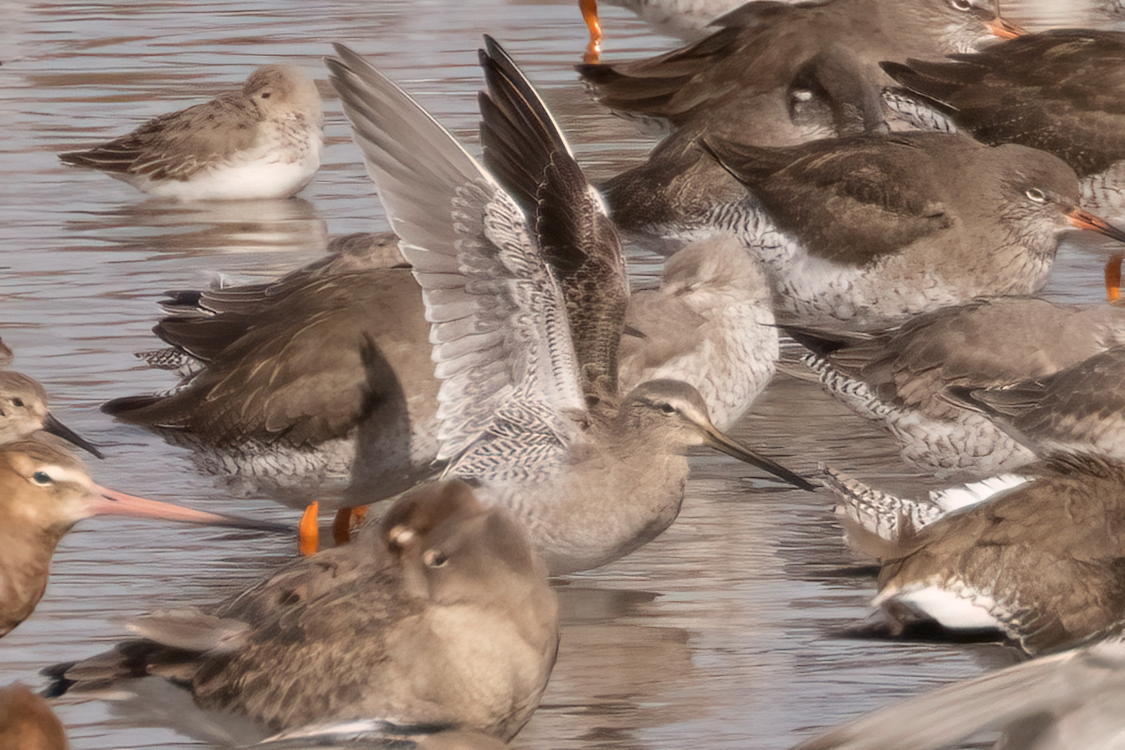
Long-billed Dowitcher

Then, on 30/03/, an Alpine Swift spent half an hour over Burton RSPB but flew west just as I arrived towards the River Dee. Will this bird ever get on my list? Missed so many by minutes.

Image

Image

The Alpine Swift spent half an hour over Burton RSPB before flying west

On 10/4, I was back at Burton RSPB, getting brief views of a Savi's warbler; it was really elusive but very vocal, at least a Cheshire tick.


Another visit on the 19/04 to Burton RSPB to see a Gull-billed Tern, which showed really well.


On the 29/04, I visited Dorset again after a terrible day the week before with Malc Curtin and Mark Payne driving around looking for a Forster's tern and not seeing it. I returned and got the boat over to Brownsea Island and got great views of the bird. Lifer at last!


                                                                Forster's Tern, 1st Lifer of the Year!

News broke on 01/05/05 that a Grey-headed Lapwing had been found at Low Newton-by-the-Sea in Northumberland. I arrived a few hours later and got great views of the bird.

I was lucky today, 17/05/, as I was doing a bird survey at Hale and jammed in on Pectoral Sandpiper and Temminck's Stint at Carr Lane Pools. Both birds showed really well.

Image

Temminck's Stint

Image

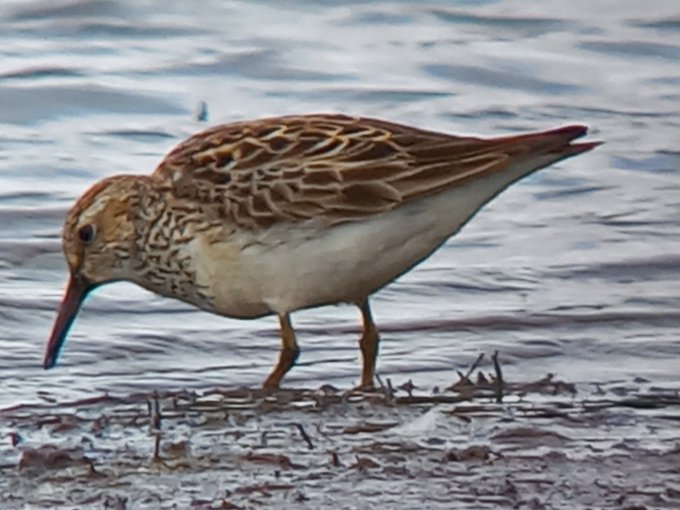
Pectoral Sandpiper

On the 30/05/news broke that a Night Heron had been found on Pumphouse Flash at Sandbach Flashes. The bird thankfully stayed and showed well, and it made up for the Leasowe bird I missed many moons ago.

On 06/06, a Black Winged Stilt was found at Burton RSPB. On arrival, the bird showed really well and was my first for the site.

What a beauty!

I walked over to Hilbre Island on the 17/06 and found the Black Guillemot off the north end of the island, happily feeding away.


Black Guillimot

On the 22/06, a White Tailed Eagle, a released 2nd-summer female 'G542' from the Isle of Wight reintroduction scheme, was found on the Frodsham Score. The bird showed well, but was distant. I managed better views over the next week as I was doing a bird survey on the Mersey

The first week in July, I spent in Madeira and saw some great birds

Madeira Firecrest Kinglets (Regulus madeirensis) | Earth Life

Maderian Firecrest

https://cdn.download.ams.birds.cornell.edu/api/v2/asset/242176681/900

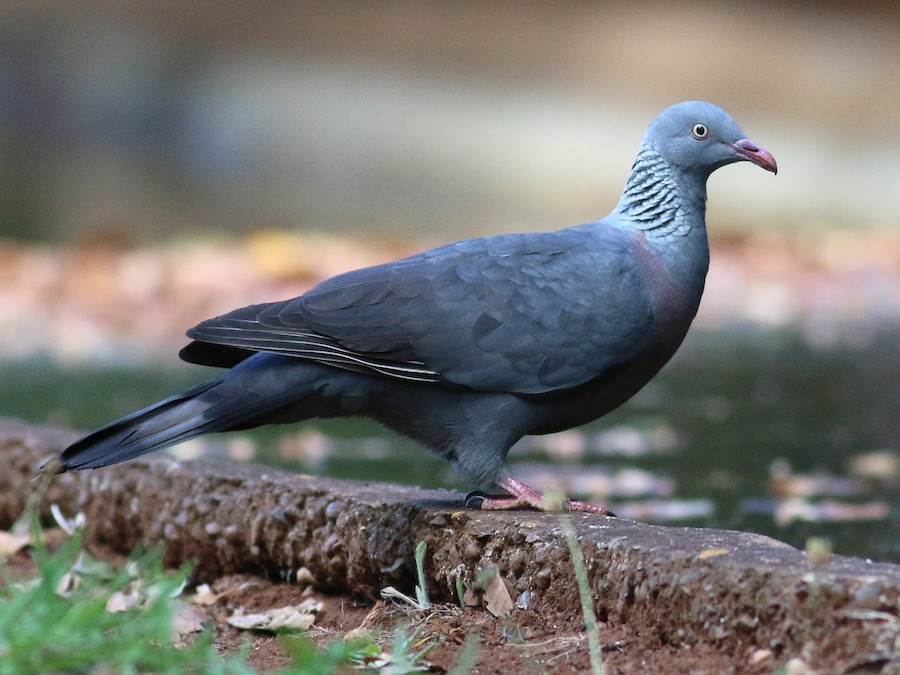
Trocaz Pigeon

Male - ML602140261

Madeiran Chaffinch

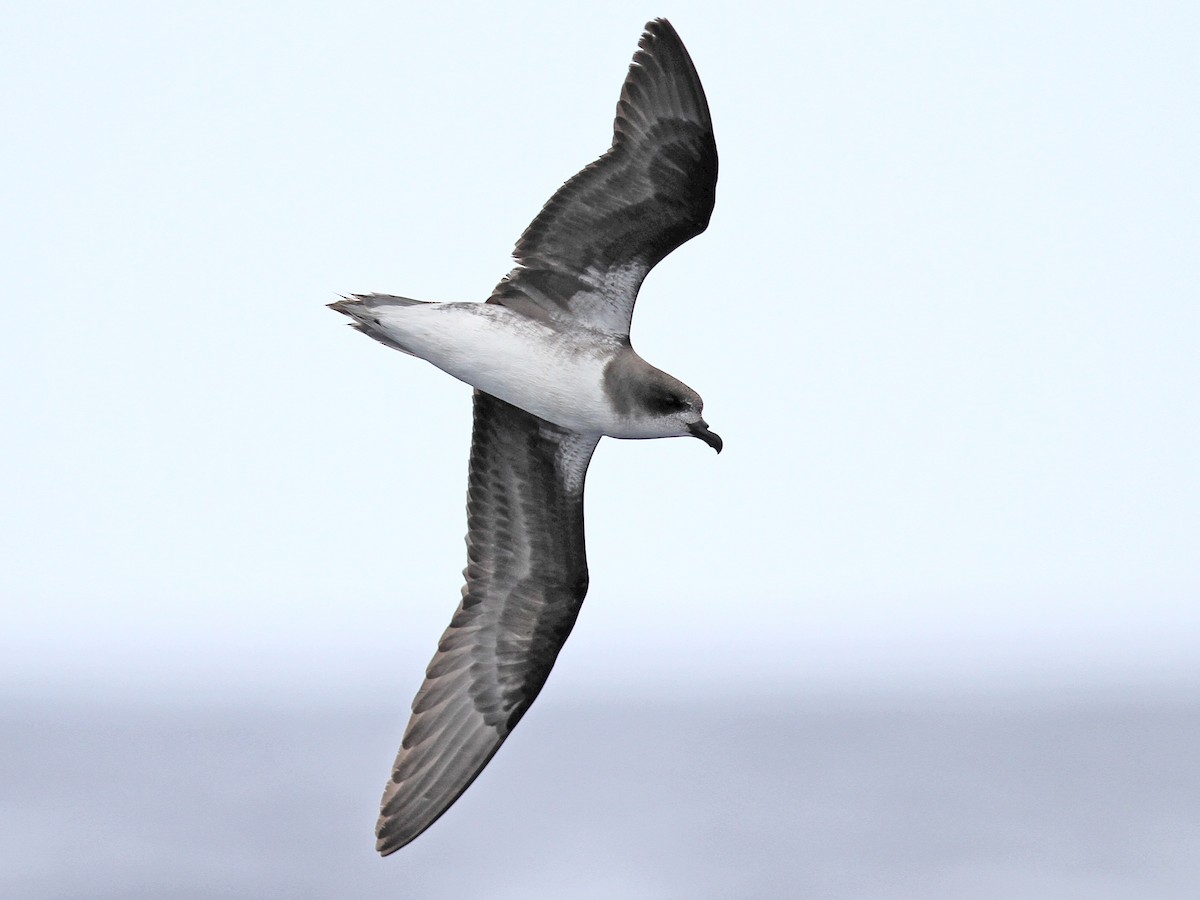
Zino's Petrel

Zino's Petrel

Hydrobates castro - Details : Madeiran Storm Petrel

Band-rumped storm petrel

The 16/08 was costly when I missed two Citrine Wagtails at Hoylake due to work. I went the next morning, but they had gone. 
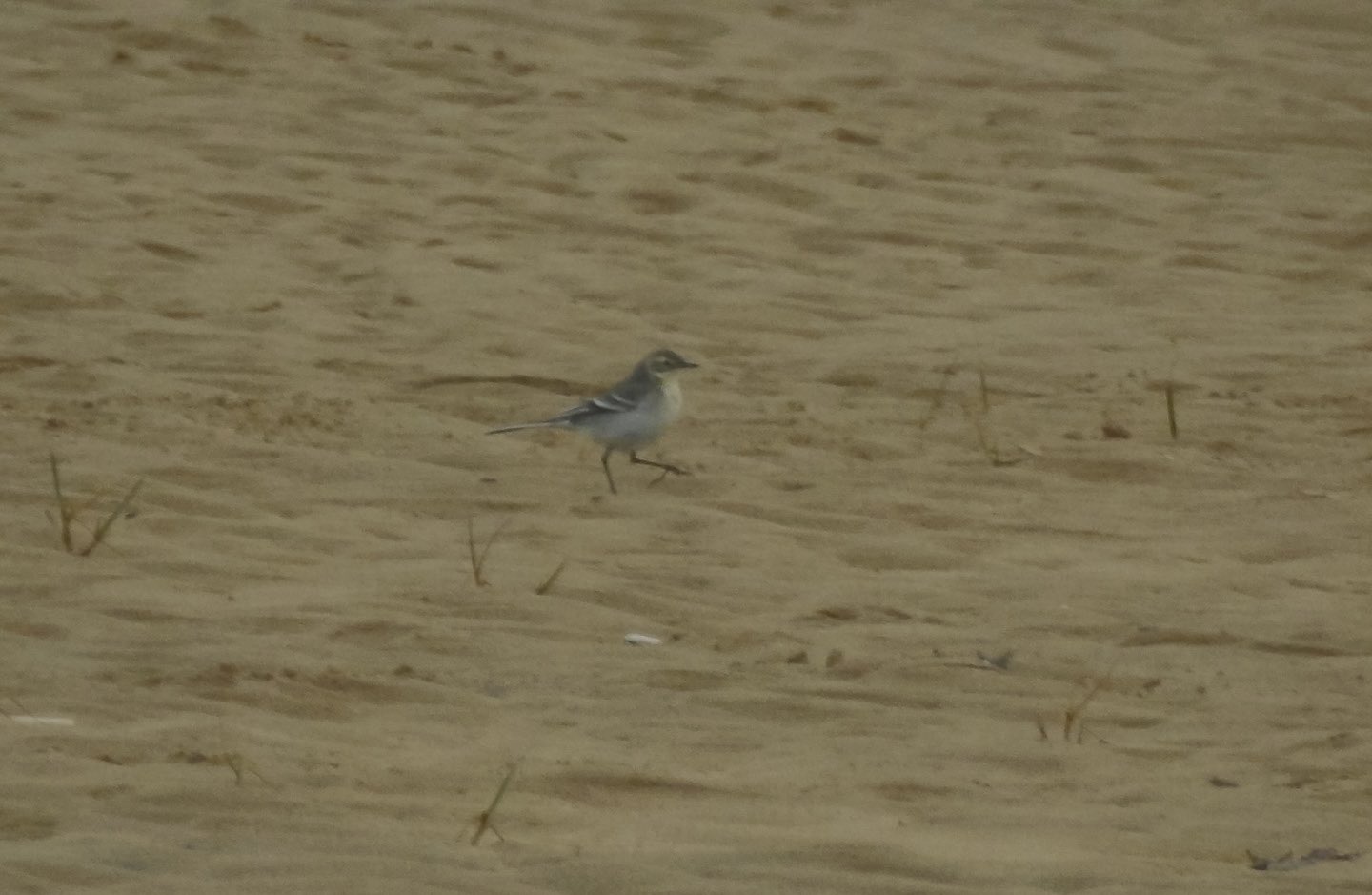
                                            

A trip to the Scilly Isles on 17/08 to see a Red-footed Booby. Thankfully, the bird hung around on Bishop's Rock and showed really well.

Red Footed Booby

Whilst working on the 28/08, an Osprey flew over whilst doing a bird survey at Hale

American warbler madness kicked off in Pembrokeshire on the 21/09 when I connected with a Magnolia Warbler at Govans Head, and then two days later on the 23/09 I saw a Bay Breasted Warbler on Ramsey Island and a Canada Warbler! An amazing few days!


Magnolia Warbler

Canada Warbler

Bay-breasted Warbler

On the 27/10, I visited Flamborough Head in East Yorkshire and saw a red-headed Headed Bunting


Red-Headed Bunting

A very showy juvenile Great Northern Diver was seen on the 21/11 at West Kirby Marine Lake
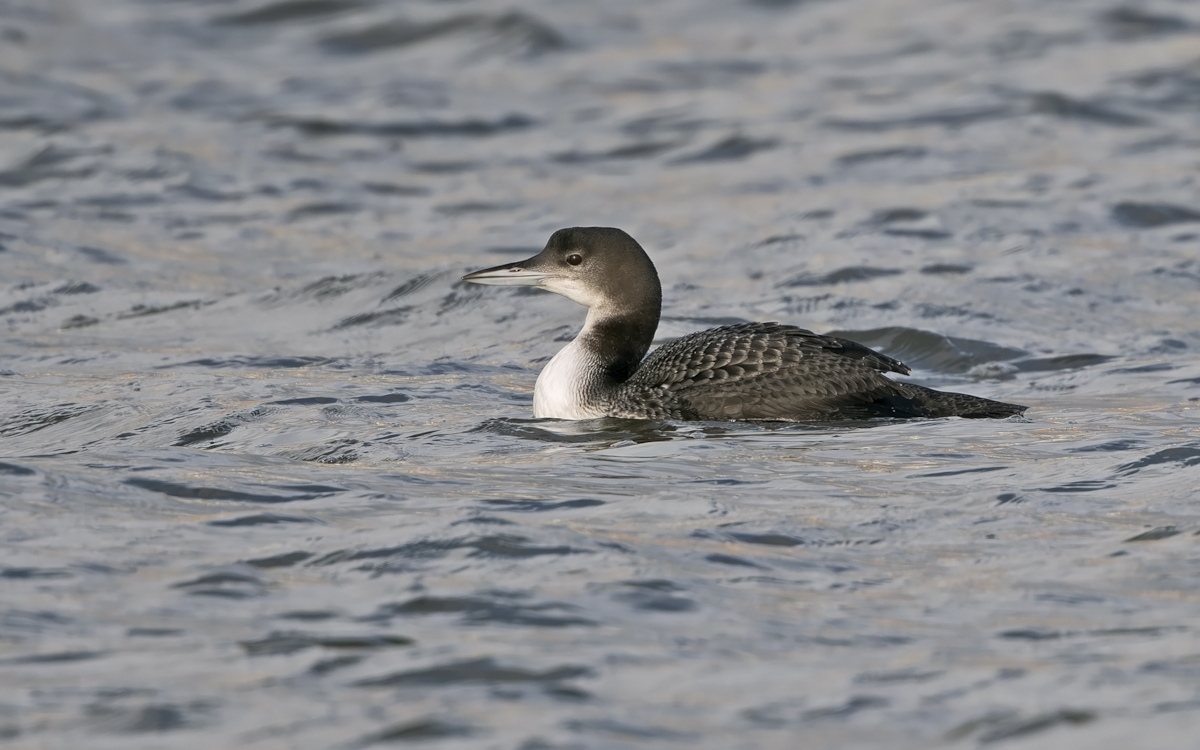

Great Northern Diver

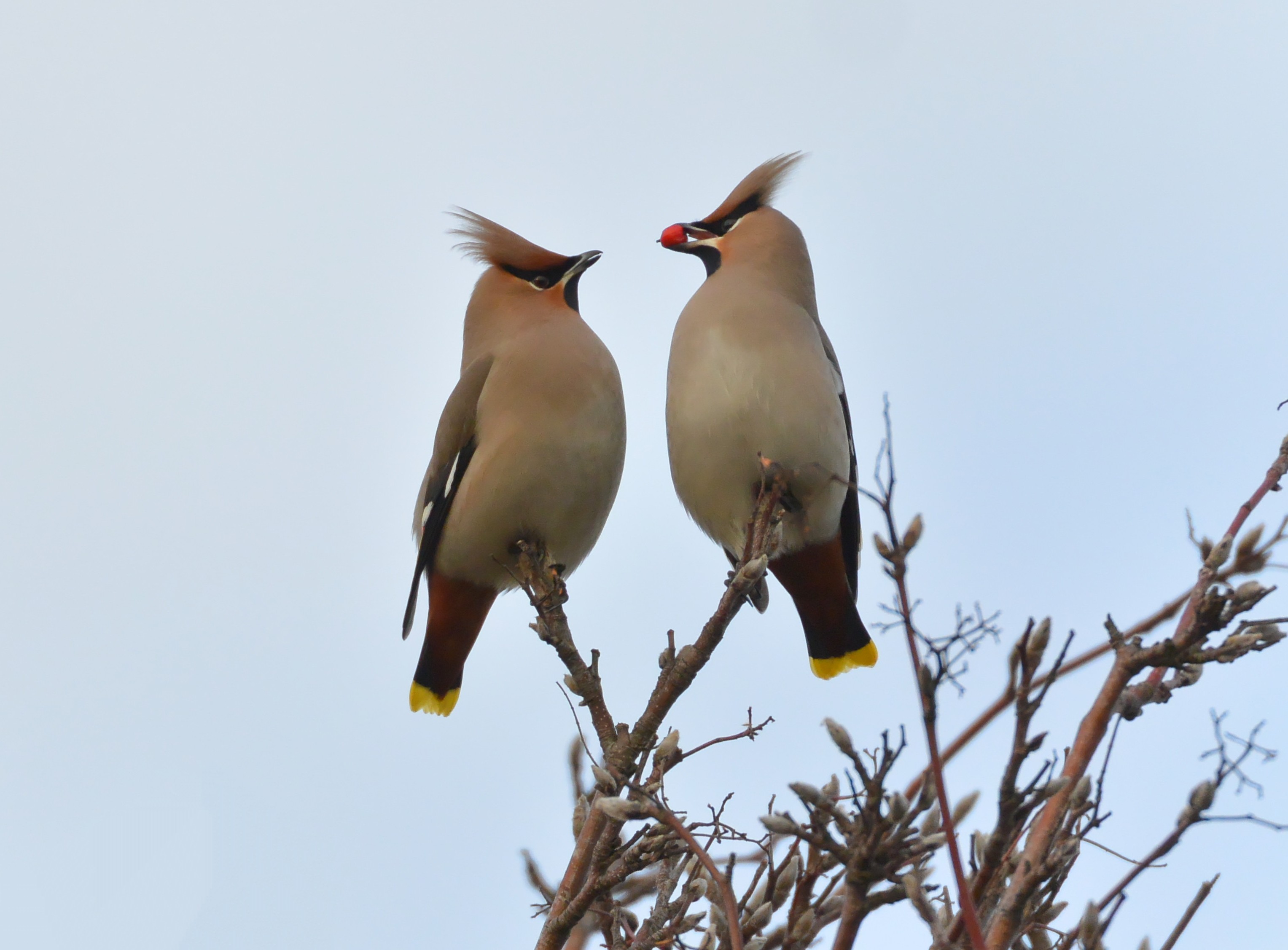
The year finished off with 30 Waxwings in rowans, Warrington on the 18/12
                          David Bowman (@dsbowman123) / X

                                                      Waxwing

A great year birding and did a lot of travelling. Roll on 2024!

Friday, October 27, 2023

RED HEADED BUNTING-FLAMBOROUGH HEAD-EAST YORKS-27TH OCTOBER 2023

Flamborough Head in East Yorkshire sparked the biggest twitch of the week and one of the largest of the autumn so far when news of a potential Red-headed bunting came to light on the 21st. It was actually first seen and photographed on the 19th; however, the discovery of a Siberian stonechat in the very same spot just minutes later saw the bunting promptly forgotten about!

I was late to the party to see this bird due to work commitments, and thankfully, it stuck around. I drove over to Flamborough with Tony Disley from Lancashire and arrived on site just after sunrise.

Flamborough head

It didn't take long to walk to the bird's favourite area, and it was on show when we arrived, perched up on a hawthorn bush.


Red-headed bunting

Away from adult males, this species is incredibly tricky to separate from Black-headed bunting, meaning the identification took time to resolve completely. The most important features clinching the identification are a grey mantle with broad, arrow-shaped black streaks and prominent, triangular head streaking that continues down the nape and into the mantle streaking (neither of these is apparently shown by Black-headed Bunting).
The species was common in captivity until the export ban in 1982, and this corresponded with a large number of escaped birds (with small flocks occasionally even appearing at sites such as Portland, Dorset). As a result, the taxon currently finds itself languishing in Category D of the British list, although a review was recently prompted by the British Ornithologists' Union Records Committee (BOURC) to determine whether the species should be added to Category A. The frequency of occurrences has rapidly decreased since the ban, and there are only four additional records since the turn of the century: at Baldhoun, Isle of Man, on 16-17 June 2001; at Cattawade, Essex, on 21 May 2002; at Monreith, Dumfries and Galloway, on 8-9 June 2004; and at Out Skerries, Shetland, from 2-8 October 2010.
Other birds of note on site were two Common cranes overhead and a Short-eared owl.

Common Crane

Short-eared owl

DNA has apparently been collected from the bird, and hopefully, it will be confirmed as a Red-headed bunting, a first-winter male. We all wait in anticipation.


Saturday, September 23, 2023

BAY BREASTED WARBLER-RAMSEY ISLAND-CANADA WARBLER-GOVAN'S HEAD-PEMBROKESHIRE-23RD SEPTEMBER 2023

The excitement of the previous days surrounding the Magnolia Warbler had quickly given way to apprehension. For those afflicted with compulsive twitching, success is rarely savoured for long; attention swiftly turns to the next possibility—or the one that might yet slip away. The Bay-breasted Warbler had remained on Ramsey Island throughout Friday, 22 September, showing well, and with a midday boat booked, the prospect of an American warbler double now felt very real. This was set against a backdrop of an unprecedented influx of Nearctic landbirds across western Britain and Ireland.

With the boat departing at 12.00, I arranged to collect Sean Cole en route, where he had been camping a few miles from the island. While travelling south, further remarkable news broke: a Canada Warbler had been discovered close to St Govan’s Head, near the still-present Magnolia Warbler, and by the same observer. Canada Warbler is a North American species, breeding in the boreal and mixed forests of eastern Canada and the northeastern United States, and wintering primarily in northern South America.

I reached Sean’s just after 9.30 a.m., where Trudy had breakfast ready—most welcome after a long drive. 

                                            Happy days

After eating, we made our way to the departure point and joined the familiar gathering of birders. While waiting, a Wryneck was located along the coastal footpath and showed well, providing a fine prelude to the day.

Wryneck 

The crossing to Ramsey Island was straightforward, and on arrival, we were briefed by the wardens before making our way uphill to overlook the farmhouse garden.


All aboard!
    

After a short wait, the Bay-breasted Warbler appeared, first in the garden and later showing exceptionally well on a stone wall.

It was a particularly fine individual, brighter and cleaner than many, and afforded prolonged views as it fed in willows and bracken alongside Goldcrests, a female Blackcap and several Chiffchaffs. The setting was superb, and the atmosphere relaxed, with only a brief distraction when a Peregrine passed overhead. The organisation of the visit was exemplary, and the assistance of the RSPB wardens was much appreciated. A police presence related to an incident the previous day involving unauthorised access by kayak, posing risks to seals and biosecurity.

This was only the second British record of Bay-breasted Warbler, the first having occurred at Land’s End, Cornwall, on 1 October 1995.


Birders are waiting for the first glimpse of the Bay-breasted warbler


As we stood in the sunshine, news of further American arrivals continued to filter through: Northern Parula on Scilly, Philadelphia Vireo on Barra, Ovenbird on Rùm, Tennessee Warbler in Ireland, along with multiple Red-eyed Vireos, Baltimore Oriole, Black-and-white Warblers in Gwynedd and others. Nearctic migrants seemed to be appearing almost continuously.

We left the island on the 14.00 boat and were back at the car shortly afterwards. Despite the short distance, the drive back to St Govan’s Head took over an hour along narrow, winding roads. On arrival, the contrast with Ramsey could not have been greater. Cars lined the verges, and large numbers of birders were packed into the willow scrub. The Canada Warbler had been elusive, and the atmosphere was tense.

We joined the crowd just as the bird made a brief appearance for a small number of observers, prompting a surge. Moving to the far end with Sam Viles, I eventually picked up the Canada Warbler moving high in the bushes before it dropped into view and then flew further along the scrub. Views were brief but diagnostic. Many present were less fortunate, managing only flight views or none at all, and frustration was evident.


Three Yanks in a week? Unbelievable!

With Sean having seen the bird well, we returned to the car. I dropped him back at his camper van and then headed north, arriving home shortly after 8.00 p.m.


Thursday, September 21, 2023

YANKMAGEDDON:AMERICAN WARBLERS IN THE WAKE OF HURRICANE LEE

The arrival of American landbirds this week has been on an extraordinary scale. Many birders had been watching the progress of Hurricane Lee as it tracked along the eastern seaboard of the United States, clearly a system of some significance. Even so, few anticipated the magnitude of what was to follow. In many respects, we found ourselves in uncharted territory. Birdguides’ weekly summary arguably captures the scale of events far better than any individual account, and their term ‘Yankmageddon’ seems an apt one.

Hurricane Lee is on its way to hit the UK mainland 

The first indication of what was to come appeared on the morning of 20 September, with the discovery of a Blackburnian Warbler on a remote and inaccessible Irish island. Later that morning, a photograph circulated on my WhatsApp group bearing the caption “Magnolia Warbler”. A species breeding across boreal and temperate forests of eastern Canada and the northeastern United States, and wintering mainly in Central America and the Caribbean, it is a bird that only a handful of British birders have encountered.

Moments later, the details followed: mainland Britain, near Pembroke in South Wales. Plans were hastily made to travel overnight and return the following morning.

I picked up Sean Cole on the M5, and we arrived at the St Govan’s Head car park at around 10.00 a.m. From there, it was a brisk 500-metre walk into the valley. Almost immediately, the bird showed. Few additions to a British list feel as satisfying as an American wood-warbler, and this individual did not disappoint, showing intermittently but well over the next hour and a half.


Magnolia Warbler

As we were watching the Magnolia Warbler, news broke of yet another discovery: a Bay-breasted Warbler on Ramsey Island, some 20 miles away. This species breeds in the boreal forests of Canada and the northern United States and winters primarily in northern South America, making it an even scarcer vagrant to Britain. Unsurprisingly, excitement among those present was immediate, but it was quickly tempered by reality. With heavy swell lingering after the storm, there was no prospect of boats running that day or the next.

Nevertheless, hope remained. While standing in the crowd, Adrian Webb managed to secure boat places for Sean and me on the Saturday morning. It would mean another return journey to South Wales and a 48-hour wait, but if the bird lingered, the opportunity would still be there.

Roll on Saturday.

Thursday, August 17, 2023

RED FOOTED BOOBY-BISHOPS ROCK-ISLES OF SCILLY-17TH AUGUST 2023


Drawing the masses to Scilly was a Red-footed booby, with last week's pale-morph first-summer relocated on Bishop Rock from 14th. The Scilly Pelagics team kept half an eye on the lighthouse in the belief that it would make an obvious roosting spot between feeding trips if it was to extend its Scillonian stay. It undoubtedly made for quite a shock, however, when it loomed into view from the MV Sapphire on Monday evening. Plans were soon put into motion for a morning raid on the Scillies with fellow Wirral birder Mark Turner. The St. Mary's Boatmen's Association were arranging for shuttles to take birders out to the lighthouse—Britain's most south-westerly point. We arrived at Penzance Heliport and soon made it over to St. Mary's, where Scillies' finest Higgo was waiting for me to take me down to the quay.

All smiles as I met up with Higgo on arrival

A nervous hour was pursued as we made our way to Bishop's Rock, when a birder called out that the Red-footed booby was sitting out on top of the lighthouse. As we approached, we all got cracking views of the bird.

Bishops Rock


Red-footed Booby

All smiles after connecting with the Booby

There are six species of booby, all of which are predominantly found in equatorial waters. Three of these reside in the Atlantic Ocean: Brown, Masked, and Red-footed.

Britain's first record of a Brown Booby was as recent as 2019. Remarkably, an adult bird was found in Cornwall and twitched by a few before disappearing, only for a second bird (an immature) to be found nearby and seen by many, including me. Since then, Brown Booby's have been seen and claimed annually, and one was photographed in Scotland this week. Another twitchable one will happen soon. 

Red-footed Booby first occurred in September 2016, when one was picked up on a Sussex beach and taken into care. To the best of my knowledge, it dies in care, as rescued seabirds so often do. Until now, there hadn't been another. Masked Booby is largely a Caribbean species, but the appearance of one in the UK wouldn't come as an enormous surprise. 

Mark and I ! Red-footed booby on the list!

The Red-footed booby made National news. Click on the links below

https://www.bbc.co.uk/news/uk-england-cornwall-66520400

https://www.cornwalllive.com/news/cornwall-news/twitchers-flock-isles-scilly-extraordinary-8711118

https://www.itv.com/news/westcountry/2023-08-22/birdwatchers-flock-to-isles-of-scilly-to-catch-a-glimpse-of-tropical-seabird

Bob Flood's write-up of finding the bird. Click on the link below

https://www.birdguides.com/articles/britain-ireland/rarity-finders-red-footed-booby-in-the-isles-of-scilly/