Some exciting news broke on Monday, the 13th, when a drake Spectacled Eider was discovered on the island of Texel in the Netherlands. Until the 1990s, little was known about where Spectacled Eiders moulted or spent the winter. Researchers with the U.S. Fish and Wildlife Service attached satellite transmitters to track the birds, revealing that they congregate in ice-free areas of the Bering, Chukchi, and Beaufort Seas.
This particular bird presented a golden opportunity, sparking perhaps the largest twitch ever seen in Europe. Multiple carloads of British birders crossed the North Sea to witness it. Eager to see the eider, I coordinated with Dan Pointon, who was on holiday in Saint Lucia, and we planned to team up with Chris Batty and Owen Parsons once he returned. We decided to fly from Manchester on Sunday evening and return Monday evening, provided the bird remained in the area. Fortunately, it did, so our plans were set.
We landed in Amsterdam late on Sunday, collected our rental car, and arrived at our Airbnb just before midnight. With an early start in mind, we settled in for a short night. At 6:00 AM, we were on the road, boarding the 7:30 AM car ferry to Texel.
A brief drive to Wagegot and a short walk to the seawall soon rewarded us with the Spectacled Eider through the scope. Initially distant, the bird eventually flew closer, giving superb views. A true showpiece of the Arctic seas!
What a bird!
Chris, demonstrating the art of no tripod.
The Spectacled Eider is an exceptionally rare visitor to the Western Palearctic, with only five recorded sightings to date. The most recent of these occurred in 2012, and all previous records originated from the high Arctic, between northern Norway and Svalbard.
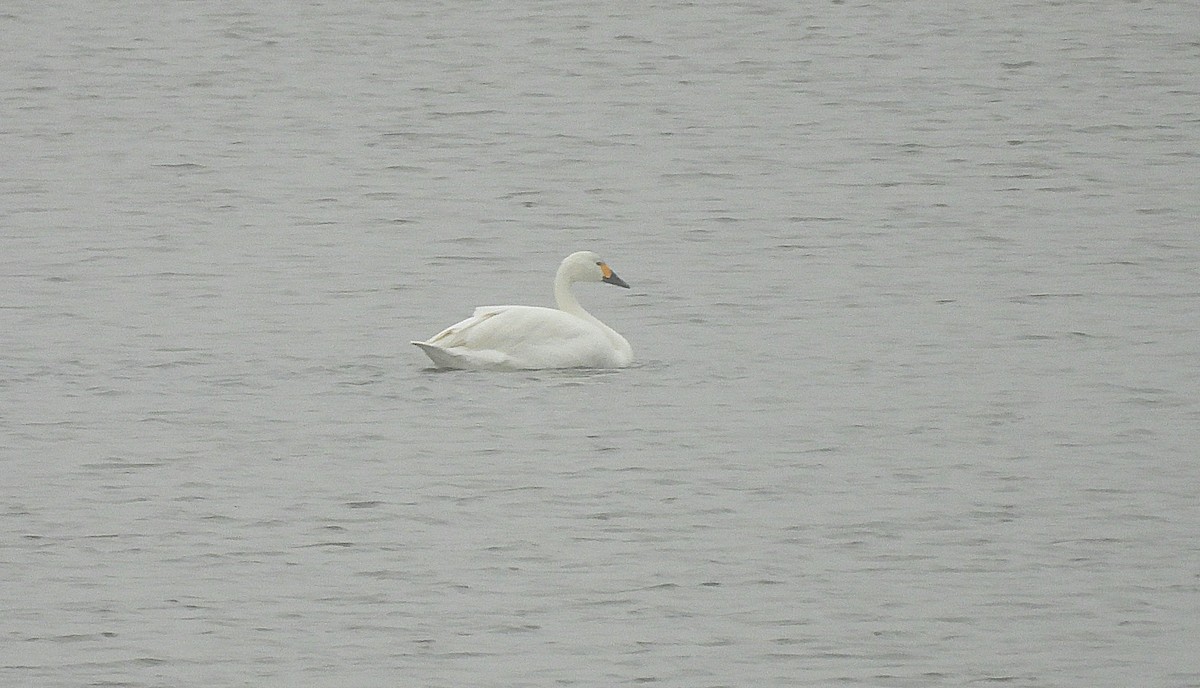
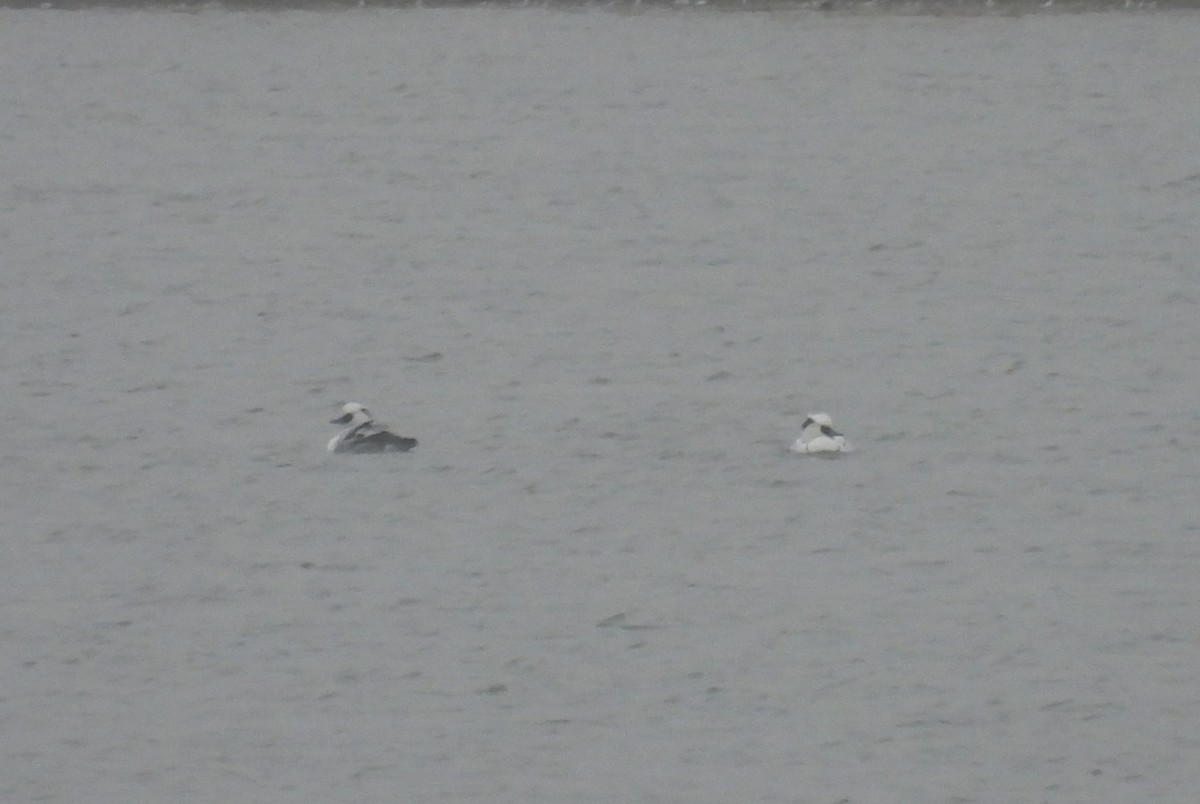
In addition to the eider, the island offered an abundance of other species. Black-necked Grebes and Greater Scaups were present, while overhead, skeins of Greater White-fronted Geese, Barnacle Geese, and Brent Geese flew by. Fields and waterways across Texel were alive with birds, including 46 Tundra Bean Geese, Great White Egret, Bewick’s Swan, and Smew; a brilliant day of birding.
Black-necked Grebe
Below is a list of some of the birds we observed on the island.
46 Tundra Bean Geese
White-fronted geese
Great White Egret
Bewick Swan
Smew
After returning to the mainland, we drove to Rosarium Vondelpark in central Amsterdam, where we found eight Alexandrine Parakeets and two Ring-necked Parakeets. While travelling southeast out of the city, a Black Swan was also spotted.
Alexandrine parakeet
Black Swan
Our next destination was the Goois Natuurreservaat near Hilversum, where we aimed to find the elusive Black Woodpecker. The woodland did not disappoint: Short-toed Treecreepers, a Firecrest, two Crested Tits, and at least 60 Bramblings kept us occupied. Then, Dan spotted a Black Woodpecker flying toward us. It landed in full view and, after a while, flew overhead, calling and giving stunning close-up views.
Absolute stunner!
Watching the Black woodpecker
Just as we were admiring the woodpecker, news came in of a Pygmy Cormorant at Natuurpark Lelystad in Flevoland, only half an hour away. We drove north and, following a short walk, soon located the cormorant perched on an island in the lake, another lifer secured.
Another lifer on the list

Natuurpark Lelystad
Lads watching the bird
With light fading, we made our way to the airport. In just 24 hours, we had seen a drake Spectacled Eider, Black Woodpecker, Pygmy Cormorant, and numerous other highlights, all while enjoying incredible scenery and excellent company. A whirlwind trip and a reminder that European birding can deliver truly extraordinary experiences.




 Natuurpark Lelystad
