An afternoon visit to Aston Rowant in Oxfordshire promised colour, movement and history in equal measure. Joined by Jenna, our aim was simple: to find two butterflies still missing from the list — Adonis Blue and Silver-spotted Skipper. Few places are better suited to that quest than this classic chalk downland.
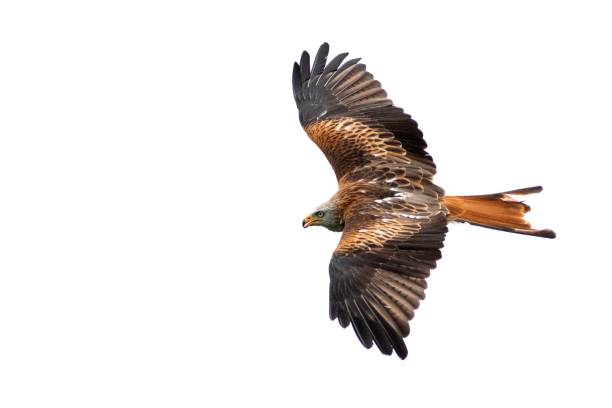
Aston Rowant is also steeped in conservation success. The site played a central role in the Red Kite reintroduction programme, a landmark project led by the RSPB and the Nature Conservancy Council. Once common across Britain, Red Kites were relentlessly persecuted and had disappeared from England and Scotland by the end of the 20th century, largely due to the mistaken belief that they killed lambs and game birds. In reality, kites are primarily scavengers, rarely capable of killing anything larger than a young rabbit.
Using birds from Spain, reintroductions began here in 1989, with the first successful breeding recorded in 1991. The results have been extraordinary: today, hundreds of pairs breed across the country, with birds from this population helping to repopulate suitable areas throughout England and Scotland.
From the car park, we descended through a shaded belt of woodland before emerging onto open flower-rich chalk grassland — sunlit, alive with movement, and humming with insects.
It didn’t take long.
Almost immediately, Adonis Blues appeared — both male and female. The males were breathtaking: an intense sky-blue, etched with fine black lines that extend delicately into the white fringes of the wings. Even among Britain’s blues, few can match them for sheer vibrancy.
As we continued along the slope, the bottom ditch seemed to pulse with life. Chalkhill Blues and Common Blues were everywhere, rising from the grass with each step before settling again just ahead of us.
Higher up the hillside, scanning the short turf carefully, the next target revealed itself. A Silver-spotted Skipper dropped into view right in front of me — small, fast, and unmistakable once settled. Earlier in the month, we had searched for this species in Dorset without success, making this encounter all the more satisfying.
Better still, it wasn’t alone. As we walked on, we found at least four individuals, all favouring the same short, tightly grazed grass on the hillside — classic habitat for this increasingly scarce butterfly.
Silver Spotted Skipper
Other species added to the day’s richness, including Small Tortoiseshell and Brown Argus, while overhead the slow, effortless flight of Red Kites provided a constant backdrop — their forked tails twisting as they circled above the downs.
Brown Argus
It was a day that felt complete in every sense: butterflies found, history appreciated, and conservation success visible in the sky above us. And it wasn’t quite over yet.
On the journey home, we called in at Grafton Woods, Worcestershire, where the day ended on a high note — Jenna’s first-ever Brown Hairstreak, a fitting finale to an already memorable outing.
Some days deliver exactly what you hope for. Others give you far more.


