MEGA NEWS-19th January-Black-winged Kite-Still at c 52.7502, 1.6062 viewed from track c 400m north of raptor viewpoint mid-afternoon; use NWT car park (NR12 0BW)-Stubb Mill, Hickling Broad NWT-Norfolk-Zitting Cisticola-Three in scrub between beach and Dunwich River-Walberswick NNR-Suffolk
Fatbirder's Top 1000 Birding Websites

Tuesday, October 26, 2021

Shetland Adventures: Spring and Autumn Highlights Two trips, dozens of species, and a few unforgettable moments

I spent the last week of May on Shetland this year, followed by the first week of October, and both trips delivered some incredible birds. The spring trip was fantastic overall, though the biggest frustration was missing a flight to Fair Isle for a Calandra Lark due to poor weather. Still, staying with my good friends Allan Conlin and Paula at Bordanoost Lodge on Unst was an absolute highlight—Unst remains one of my favourite islands in Shetland.


Bordanoost Lodge

Over the week, we recorded more than 70 species. Some of the standout birds included:

          Rustic Bunting

                                              Sardinian Warbler

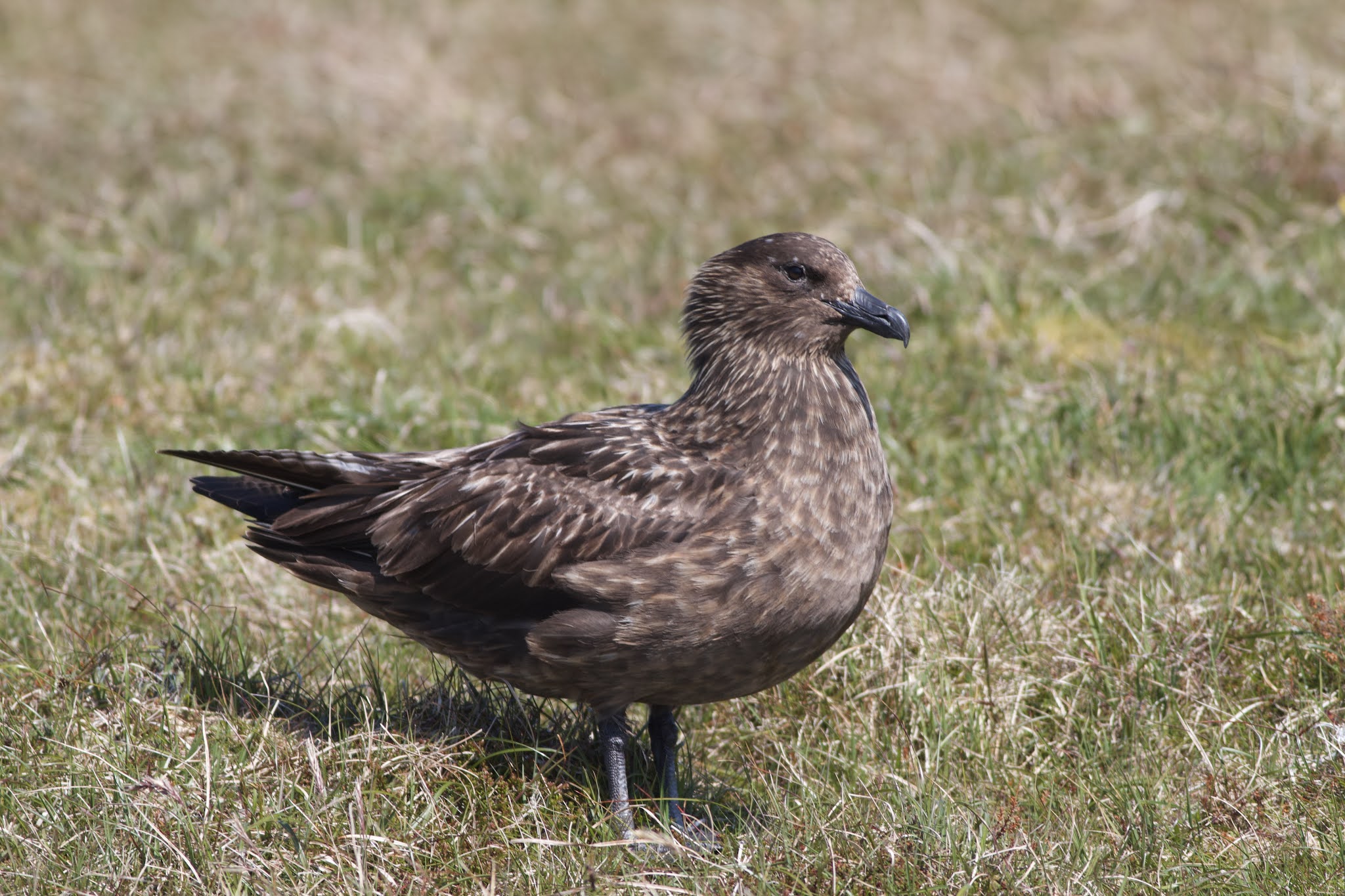
Great Skua

Red-backed Shrike

Arctic Skua

Puffin

Gannet colony at Hermaness

Other birds of note were 
Icterine Warbler
Golden Oriole
Garganey
White-billed Billed Diver 
Ring-necked duck
Hobby
Little Tern

Wildlife highlights weren’t limited to birds—five Orcas from Pod number 21 put on an incredible show, and we also had a charismatic otter performance, adding a wonderful touch to the week. A truly memorable holiday—roll on autumn!


Pod 21


With autumn fast approaching, I returned to Shetland for my annual trip, this time staying at Sumburgh Lighthouse. I was joined by Dan Pointon, John Pegden, Neil Bostock, and Dave Mack. Birding over 10 days was challenging, with very few migrants moving through: just four Yellow-browed Warblers, and not a single Lesser Whitethroat.

Despite the slow passage, we recorded over 120 species. Dan found a Western Bonelli’s Warbler, though I didn’t add any new birds to my year list. Some highlights included:


Shorelark

Hoopoe

Jack Snipe

Twite

Whinchat

Woodchat Shrike

Eastern Yellow Wagtail

White-billed Billed Diver

Common Rosefinch

Western Bonelli's Warbler

Semipalmated Sandpiper

Little Bunting

2 different Red-eyed Vireos were recorded

King Eider

Red-breasted flycatcher

Yellow-browed Warbler

Other highlights included numerous Otters and a Monarch butterfly in the Sumburgh hotel garden, proving that Shetland is never short of surprises.


Friday evening in Lerwick brought unexpected news: a Calidris initially identified as Temminck’s Stint had been reidentified—first as a Least Stint, and finally as a Long-toed Stint. Panic set in as usual, and with our Sunday evening flight still pending, the suspense grew.

After a night on the boat, we arrived in Aberdeen at 7:30 a.m., drove south to St. Aidan’s RSPB, West Yorkshire, and, fortunately, the bird was still showing. I arrived at 13:30 and finally connected with this rare, old-school “blocker” species—the third record for Britain, following:

  • 1970 – Marazion, Cornwall (7–8 June)

  • 1982 – Saltholme, Cleveland (28 August–1 September, juvenile)


The Long-toed Stint (Calidris subminuta) is a small wader that breeds in the boreal forests and tundra of Siberia, from eastern Russia across to the Kamchatka Peninsula. It migrates long distances to winter in South and Southeast Asia, including India, Southeast China, and Indonesia. In Europe, it is an extreme vagrant, with only three accepted records in Britain, making it a truly rare and highly prized twitch among British birders. Sightings typically occur in autumn during the migration period, often following storm-driven dispersal from its usual East Asian flyways.


Autumn was saved! Shattered after the long drive, but it was absolutely worth it.

Dan and I celebrating another Lifer!


No comments: